Key Insights
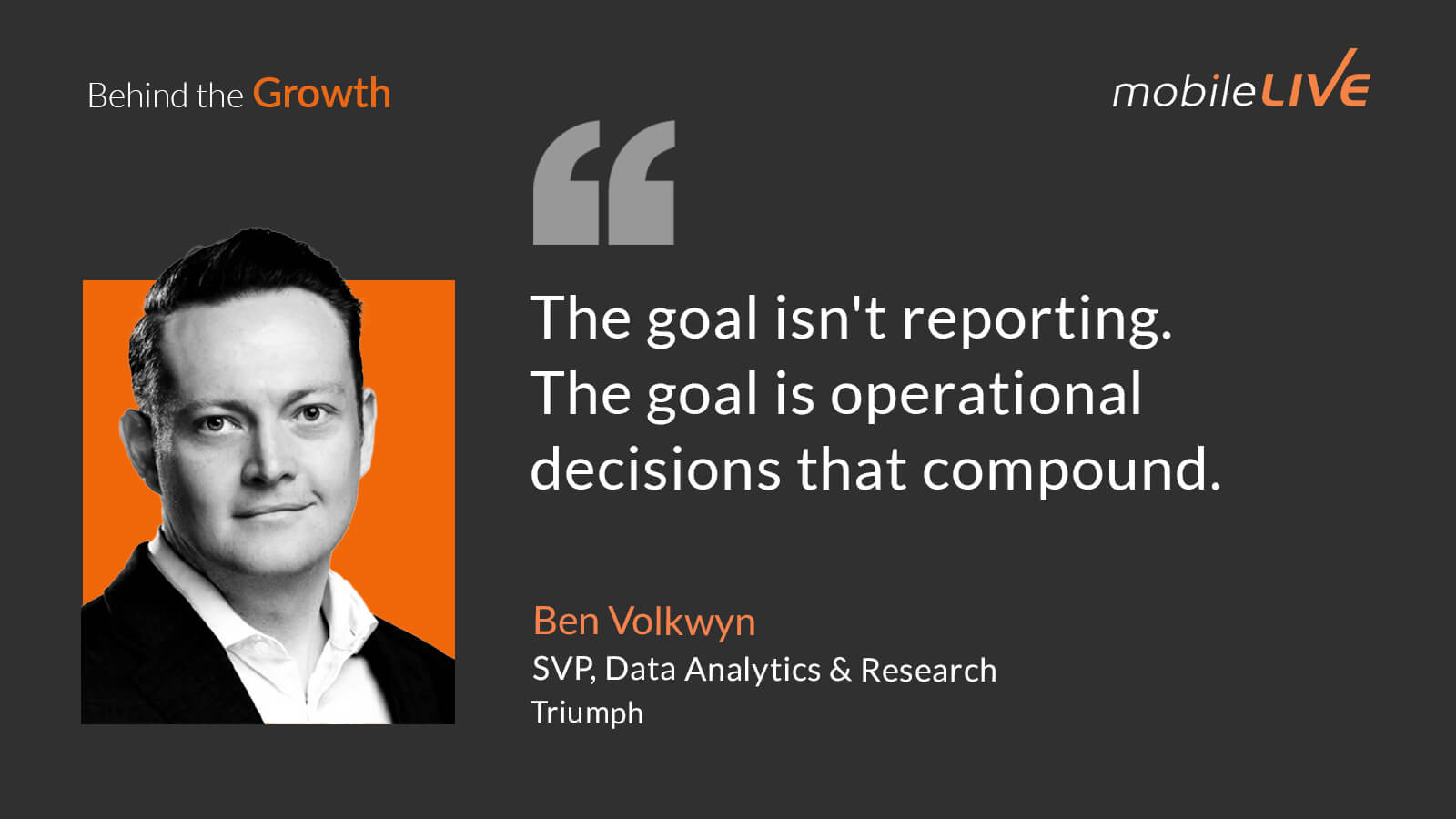
Operational Decisions Matter More Than Dashboards
Many organizations assume that better dashboards automatically lead to better decisions. The conversation highlights a different reality: decisions are driven by trust, speed, and relevance to someone’s actual work, not by the volume of reporting available. Data becomes valuable when it is embedded in the workflow of people making operational calls, rather than sitting in reports that are reviewed after the fact. This is a critical distinction for enterprise leaders: a data platform that produces endless dashboards but fails to influence frontline decisions does little to change business outcomes. The priority should be designing data systems that directly inform how teams act in real time, ensuring insights translate into operational impact rather than static reporting.
Consistency and Discipline Build Effective Data Organizations
Building a high-performing data function follows the same logic as endurance training: long-term progress comes from consistency, pacing, and repeatable habits rather than occasional bursts of activity. Ben emphasizes that leaders often overestimate what can be achieved in short periods but underestimate what sustained effort can accomplish over time. This mindset is especially relevant when scaling data capabilities across the enterprise. Successful data organizations are not created through a single transformation initiative or technology rollout. They emerge through disciplined prioritization, clear standards, and the steady development of trust with stakeholders, ensuring that data becomes a reliable and embedded part of how teams operate and make decisions.
Redesign One Critical Decision to Shift the Data Mindset
Organizations often remain stuck in a “data equals reporting” mindset because their data work is disconnected from actual decision-making. A practical way to break this pattern is to focus on one high-impact operational decision and rebuild the process around data. Instead of generating more reports, leaders can identify where insights should directly shape actions and integrate data into that workflow. When teams experience how data improves a real decision, the value becomes tangible and repeatable. This approach creates momentum without requiring large-scale transformation programs. Demonstrating impact in a single operational area can shift how teams think about data and create a model that spreads across the organization.
Episode Highlights
Consistency Beats Intensity
Ben connects endurance training to leadership and building data teams. He explains that sustained progress comes from disciplined consistency rather than occasional bursts of effort. The same principle applies when building enterprise capabilities like data platforms or analytics functions. Long-term outcomes are shaped by repeatable habits, clear priorities, and showing up consistently even when momentum is slow.
“Consistency is much greater than intensity. Really, really important.”
Building Data Is a Long Game
Ben explains that developing a data function requires patience and long-term thinking. Organizations often expect immediate transformation once tools or dashboards are introduced, but meaningful change happens gradually. Trust, process maturity, and decision alignment take time to build. Leaders need to think about sustained progress rather than quick wins if they want data to become embedded in the way teams operate.
“Building a data function is a long game.”
Dashboards Don’t Automatically Change Decisions
Ben reflects on a major assumption he had earlier in his career. Many organizations believe that once dashboards are available, better decisions will naturally follow. His experience showed the opposite: decision-making depends far more on trust, speed, and whether insights connect directly to someone’s operational responsibilities.
“One of the biggest assumptions that I had to let go of was that dashboards just automatically drive better decisions.”
More Data Doesn’t Always Create Clarity
Ben challenges a common belief that collecting more data will automatically improve insight. In practice, excessive information can overwhelm decision-makers and slow down action. What matters is identifying the right signals that inform real operational choices. Fewer, clearer inputs tied to a specific decision often produce better outcomes than large volumes of reporting.
“More data isn’t always giving you clarity. Sometimes if you have a little bit less data, you actually get to better insight.”
Leaders Misjudge Short-Term vs Long-Term Progress
Ben highlights a pattern he sees repeatedly in organizations and leadership teams. Many leaders overestimate how much can be accomplished in the short term while underestimating what sustained focus can deliver over longer periods. Whether building teams, capabilities, or new operating models, durable results come from steady execution over time.
“Most people overestimate what they can do in a week, and they completely underestimate what they can do over a year.”